















Top 5 Ultralight Tents Under 3lbs for Solo Backpackers (2026 Picks That Actually Feel Livable)
Imagine your pack leaning against a pine at dusk, and your tent—your tiny “trail apartment”—is the last thing you want to wrestle with. That’s the question every solo hiker eventually asks: Can I go ultralight without feeling cramped, damp, or broke? After trying a mix of trekking-pole shelters and traditional setups over the years, I’ve found that the sweet spot for many solo backpackers is an ultralight tent under 3lbs that’s still storm-worthy and comfortable enough for back-to-back nights.
This listicle highlights five ultralight tents under 3lbs for solo backpackers, focusing on real-world livability: packed weight, weather protection, condensation management, ease of pitch, and value. I’ll also share what I learned the hard way (like how “light” can become “miserable” if the pitch is finicky in wind).
What “Under 3lbs” Really Means for an Ultralight Solo Tent
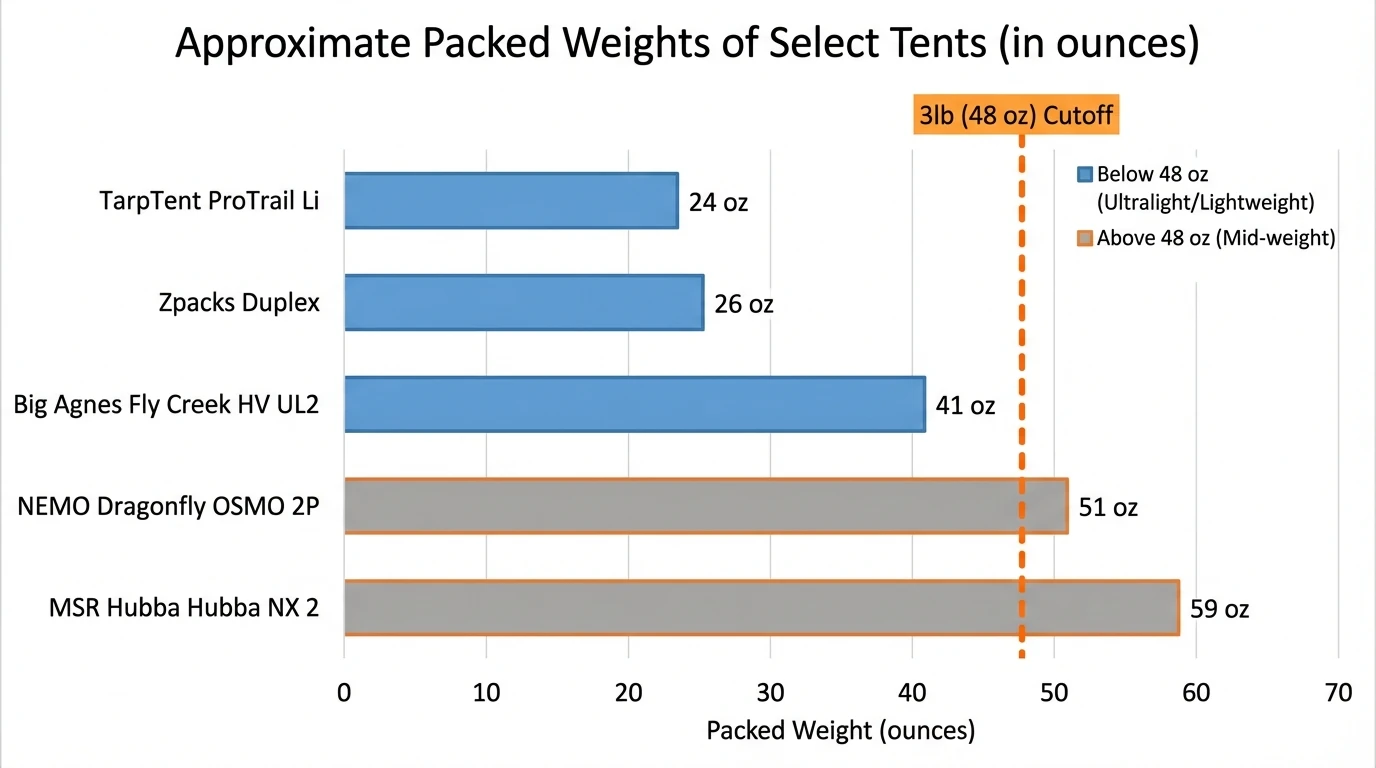
Manufacturers use a few different weight numbers, and that can make comparing ultralight tents under 3lbs confusing. When I shop for a solo backpacking tent, I check weight in three layers.
- Minimum weight: tent body + rainfly (often excludes stakes, stuff sack, and extra guylines)
- Packed weight: what you actually carry most trips (typically includes stakes and sacks)
- Trail weight reality: packed weight + footprint/groundsheet + extra stakes you end up bringing “just in case”
If you’re set on under 3lbs, decide whether you mean packed weight or minimum weight. For solo backpackers, I recommend treating packed weight as the honest target. A tent that’s 2 lb 14 oz minimum can easily become 3 lb 6 oz by the time it’s trail-ready.
Quick buying rules I use:
- If you hike with trekking poles, consider a trekking-pole shelter to save weight.
- If you camp in humid forests, prioritize ventilation to reduce condensation.
- If you’re new to UL gear, don’t pick the “lightest possible” if it’s hard to pitch in wind.
Top 5 Ultralight Tents Under 3lbs for Solo Backpackers (Ranked)
Below are my five picks for an ultralight tent under 3lbs that works for typical 3-season solo backpacking. I’m mixing cottage-industry standouts with easier-to-buy mainstream options, because availability matters when your next trip is already on the calendar.
| Tent Model | Type | Packed Weight (approx) | Weather Strength (1-5) | Condensation Control (1-5) | Best For | Typical Price Range |
|---|---|---|---|---|---|---|
| Durston X-Mid 1P | Trekking-Pole | ~28–32 oz | 5 | 4 | Wind/rain value & space | $240–$300 |
| Six Moon Designs Lunar Solo | Trekking-Pole | ~26–30 oz | 4 | 3 | Budget UL + simple pitch | $250–$300 |
| Tarptent Aeon Li | Trekking-Pole | ~16–18 oz | 4 | 3 | Premium DCF weight savings | $550–$700 |
| Big Agnes Fly Creek UL1 | Semi-Freestanding | ~33–38 oz | 3 | 3 | Easy setup, familiar feel | $300–$400 |
| Durston X-Dome 1+ | Freestanding | ~40–45 oz (under 3 lb variants/trimmed) | 4 | 4 | Freestanding comfort & convenience | $350–$450 |
Note: weights vary by year/version, stake choice, and included accessories. Always verify the spec sheet before buying.
1) Durston X-Mid 1P — Best Overall Ultralight Solo Tent Under 3lbs
The Durston X-Mid 1P keeps showing up in serious testing lists because it balances weather protection, interior space, and price unusually well. It’s a trekking-pole shelter, but the pitch is straightforward once you do it once or twice. In my experience, the geometry is forgiving enough that you don’t need “perfect soil” to get a tight setup.
Why it stands out for solo backpackers:
- Room-to-weight ratio feels generous for a 1P
- Storm-worthiness is excellent for the category (good angles, stable pitch)
- Two vestibules (depending on version) help with gear storage and wet entry
Tradeoffs to know:
- Requires trekking poles (or optional poles), which adds cost/weight if you don’t already hike with poles
- Like most UL shelters, site selection matters—bad airflow spots invite condensation
2) Six Moon Designs Lunar Solo — Best Value Ultralight Tent Under 3lbs
The Six Moon Designs Lunar Solo is a classic “smart compromise” shelter for solo backpackers who want to go ultralight without going fragile or ultra-expensive. It’s light, packs down well, and has a loyal following because it works—especially when your budget is real.
I’ve recommended this style of tent to friends starting their UL journey because it teaches you good habits: tension, guylines, stake placement, and choosing a site that won’t turn into a puddle.
What you’ll like:
- Great cost-to-weight for an ultralight solo tent
- Simple trekking-pole pitch once you learn the rhythm
- Vestibule space is useful for shoes, pack, and cooking in bad weather (with caution)
What to watch:
- Single-wall shelters can collect condensation, especially in humid regions
- You’ll want to practice pitching at home so it’s not stressful in wind or rain---
3) Tarptent Aeon Li — Lightest Premium Pick (DCF Done Right)
If your main goal is cutting weight while keeping a functional enclosed shelter, the Tarptent Aeon Li is a strong contender. This is where Dyneema Composite Fabric (DCF) shines: very low weight and no sag when wet. I tried a DCF shelter on a week of mixed drizzle and wind and immediately noticed the difference in morning re-tensioning (basically: less fuss).
Why people pay for it:
- Extremely light for a fully enclosed solo shelter
- DCF resists water absorption, so it doesn’t “gain weight” after wet nights
- Good craftsmanship reputation from Tarptent
Reality checks:
- DCF is expensive, and abrasion/packed handling matters
- Still not “condensation-proof”—venting and campsite selection remain key
- You may need to be more intentional with stake choice and guylines in rough weather
4) Big Agnes Fly Creek UL1 — Best “Traditional Tent Feel” Under 3lbs
Not everyone wants a trekking-pole shelter. If you prefer a more traditional tent experience, the Big Agnes Fly Creek UL1 remains a popular semi-freestanding option that can still land under 3lbs depending on the version and what you pack.
When I loaned a Fly Creek-style tent to a friend for their first solo trip, they loved the predictability: pole set, clip in, throw fly, done. That ease can be worth a few extra ounces, especially when you arrive at camp late.
Strengths:
- Familiar setup for people coming from car camping tents
- Often available through major retailers and easy to warranty
- Solid option for maintained campsites and typical 3-season conditions
Limitations:
- Interior/door design can feel more “coffin-like” than some trekking-pole designs
- Semi-freestanding still benefits from good staking for a tight pitch
Best for: solo backpackers who want an ultralight tent under 3lbs but don’t want to rely on trekking poles.
5) Durston X-Dome 1+ — Best Freestanding Comfort (If You Prioritize Convenience)
If you want freestanding convenience—especially for platforms, rocky terrain, or desert hardpan—the Durston X-Dome 1+ has become a compelling option in the lightweight space. Freestanding tents typically weigh more, but this one aims to keep the “real tent comfort” while staying competitive for solo backpackers.
I like freestanding tents most when I know campsites may be awkward: tent pads, wooden platforms, or places where stakes don’t bite. The time and hassle saved can outweigh the ounces.
Why it makes this list:
- Freestanding pitch is fast and flexible
- Good livability for one person (the “1+” matters)
- A strong choice if you dislike tarp-style pitching
Downsides:
- Usually heavier than trekking-pole shelters
- You still want stakes for wind; “freestanding” doesn’t mean “no stakes ever”
For additional comparative context on modern tent designs and the way testers rank categories, Adventure Alan’s annual roundups are a useful reference point: Best Ultralight Backpacking Tent.
Best for: solo backpackers who camp on difficult ground and value simplicity over absolute minimum weight.
How to Choose the Right Ultralight Solo Tent (Without Regretting It)
An ultralight tent under 3lbs is only “the best” if it matches your trails. Here are the decision points that matter most.
Weather and terrain: wind, rain, bugs, and ground type
If you’re frequently above treeline or in exposed basins, prioritize tents with a reputation for stable geometry and strong guy-out options. In buggy regions, full netting and tight perimeter seals become non-negotiable. On rocky terrain, freestanding or flexible staking options can be a sanity saver.
My quick matching guide:
- Windy routes: prioritize stable shapes + multiple stake points
- Wet climates: ventilation + easy fly management
- Bug season: full mesh + good zipper quality
- Rocky ground: freestanding or easy alternative anchor methods
Condensation: the “invisible” comfort factor
Condensation is normal, especially in single-wall shelters. What matters is whether your tent’s ventilation and shape keep that moisture off your quilt and away from your face. I’ve had nights where the tent was “technically dry” but felt clammy because airflow was poor.
To reduce condensation:
- Pitch in airflow (not in the lowest cold pocket)
- Keep doors/vents cracked when conditions allow
- Avoid drying wet clothes inside if you can
Livability: length, headroom, vestibule space
For solo backpackers, livability often comes down to three things:
- Can you sit up without brushing wet fabric?
- Can you store your pack under cover?
- Can you enter/exit without soaking your sleeping area?
A slightly larger “1+” or a smart vestibule design can feel like a luxury on day three of rain.
Set-Up Tips I Wish I’d Learned Earlier (Especially for Trekking-Pole Tents)
The first time I tried a trekking-pole shelter, I thought I hated it. The truth: I just hadn’t learned the sequence.
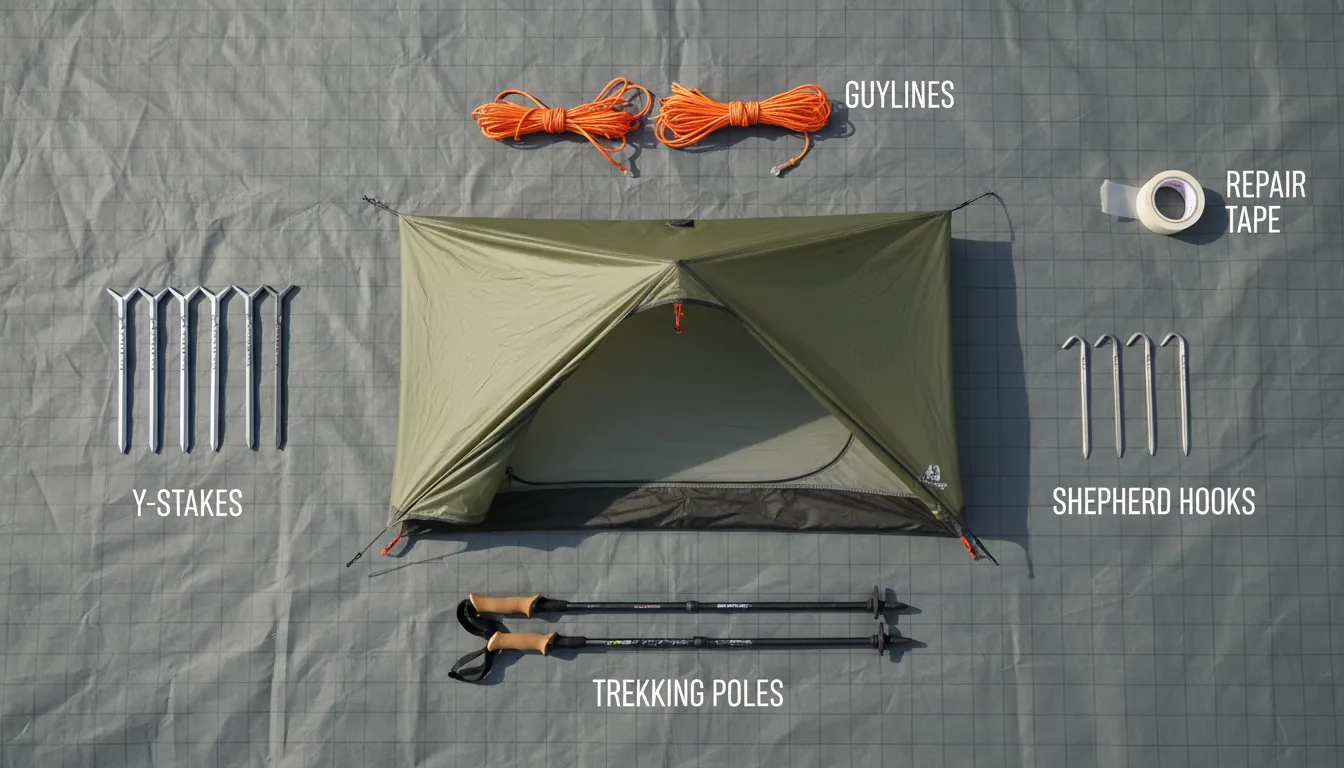
- Stake the four corners in a clean rectangle (or the specified shape).
- Insert poles to the recommended height (don’t guess wildly).
- Tighten ridgelines next, then adjust corners last.
- Add guylines before the wind picks up—not after.
Bring stakes that match your terrain. The included stakes are often fine, but sandy soil or alpine duff can require different shapes.
Conclusion: The “Right” Ultralight Tent Under 3lbs Feels Like Freedom
At the end of a long day, your tent becomes a little character in your story: either the quiet friend that makes camp easy, or the needy roommate that demands constant adjustments. The best ultralight tents under 3lbs for solo backpackers are the ones that disappear into your pack during the day and feel dependable at night.
If you want the best all-around balance, start with the Durston X-Mid 1P. If you’re watching your budget, the Six Moon Designs Lunar Solo is hard to beat. If you’re chasing the lightest premium experience, the Tarptent Aeon Li is the splurge that makes sense for committed UL hikers.
FAQ: Ultralight Tents Under 3lbs for Solo Backpackers
1) What is considered an ultralight solo backpacking tent?
Most hikers consider “ultralight” to be around under 3lbs packed for a solo tent, though many true UL shelters are closer to 1–2lbs depending on materials and design.
2) Are trekking-pole tents better than freestanding tents for solo backpacking?
They’re often lighter and pack smaller, but they require more practice to pitch well and depend on good staking. Freestanding tents are usually easier on tough ground and for beginners.
3) Do single-wall ultralight tents always have condensation problems?
Not always, but they can be more prone to it. Ventilation design, campsite selection, and weather conditions matter as much as the wall style.
4) Can I fit my backpack inside a 1-person ultralight tent?
Sometimes, but many solo backpackers store packs in the vestibule. If you want inside storage, look for “1+” sizing or a generous vestibule.
5) What’s the best ultralight tent under 3lbs for beginners?
Many beginners do well with a semi-freestanding or easy-pitch trekking-pole design. If you’re nervous about pitching, a traditional setup like the Fly Creek-style tents can feel more intuitive.
6) Is Dyneema (DCF) worth it for an ultralight solo tent?
DCF can be worth it if weight savings and no-sag performance matter to you and you’ll use the tent a lot. It’s expensive and should be handled thoughtfully to avoid abrasion damage.
7) How do I choose the right size ultralight tent for solo trips?
Check floor length, peak height, and vestibule size—then compare that to your sleeping pad size and how much gear you bring inside. If you’re tall or camp in rain often, extra headroom is usually worth a small weight penalty.


